
Mrs Claus Printable
Mrs Claus Printable - Use miss only for young,. Are typically used as titles or honorifics before a person’s name to show respect. Is used before the names of men and boys while mrs. (american english) [1] or mrs (british english; Is —used as a conventional title of courtesy except when usage requires the substitution of a title of rank or an honorific or professional title before a married woman's. If you aren’t sure whether a woman is married, or if you know that she prefers ms. We use these titles to be respectful when we are speaking about a man or woman. Women that keep their last name after marriage may want to indicate. Is a title that indicates neither marital status nor gender. When you know for sure a woman is married. If you aren’t sure whether a woman is married, or if you know that she prefers ms. (american english) [1] or mrs (british english; What's the difference between mrs., ms. Is an abbreviation for the word missus, it is pronounced like the word missus. Women that keep their last name after marriage may want to indicate. Are typically used as titles or honorifics before a person’s name to show respect. Is used before the names of men and boys while mrs. Is a traditional title used for a married woman. We use these titles to be respectful when we are speaking about a man or woman. Is —used as a conventional title of courtesy except when usage requires the substitution of a title of rank or an honorific or professional title before a married woman's. Is the proper title of respect for women that are married or widowed. Miss is a traditional title used for an unmarried woman. Is a title that indicates neither marital status nor gender. Is a title used before a surname or full name of a married female. (american english) [1] or mrs (british english; Is —used as a conventional title of courtesy except when usage requires the substitution of a title of rank or an honorific or professional title before a married woman's. What's the difference between mrs., ms. Is an abbreviation for the word missus, it is pronounced like the word missus. When you know for sure a woman is married. If you. Are typically used as titles or honorifics before a person’s name to show respect. Is a traditional title used for a married woman. Women that keep their last name after marriage may want to indicate. If you aren’t sure whether a woman is married, or if you know that she prefers ms. Miss, ms., mrs., madam, mr., are all called. We use these titles to be respectful when we are speaking about a man or woman. Is used before the names of men and boys while mrs. Is a title that indicates neither marital status nor gender. Is —used as a conventional title of courtesy except when usage requires the substitution of a title of rank or an honorific or. Use miss only for young,. Is —used as a conventional title of courtesy except when usage requires the substitution of a title of rank or an honorific or professional title before a married woman's. If you aren’t sure whether a woman is married, or if you know that she prefers ms. We use these titles to be respectful when we. Use miss only for young,. We use these titles to be respectful when we are speaking about a man or woman. Is a title that indicates neither marital status nor gender. Is a title used before a surname or full name of a married female. If you aren’t sure whether a woman is married, or if you know that she. (american english) [1] or mrs (british english; Is a title used before a surname or full name of a married female. Is the proper title of respect for women that are married or widowed. Miss is a traditional title used for an unmarried woman. Is a title that indicates neither marital status nor gender. Miss is a traditional title used for an unmarried woman. Miss is used to describe a female child or an unmarried woman. Is an abbreviation for the word missus, it is pronounced like the word missus. When you know for sure a woman is married. Are typically used as titles or honorifics before a person’s name to show respect. Women that keep their last name after marriage may want to indicate. Is a traditional title used for a married woman. Is —used as a conventional title of courtesy except when usage requires the substitution of a title of rank or an honorific or professional title before a married woman's. Miss is a traditional title used for an unmarried woman.. Is a title used before a surname or full name of a married female. (american english) [1] or mrs (british english; Use miss only for young,. Miss is used to describe a female child or an unmarried woman. Is used before the names of men and boys while mrs. Is the proper title of respect for women that are married or widowed. Historically, miss has been the formal title for an unmarried woman, while mrs. refers to a married woman. Is used before the names of men and boys while mrs. If you aren’t sure whether a woman is married, or if you know that she prefers ms. When you know for sure a woman is married. Women that keep their last name after marriage may want to indicate. Miss is a traditional title used for an unmarried woman. Is different than miss and mrs. Is a title used before a surname or full name of a married female. Use miss only for young,. Is —used as a conventional title of courtesy except when usage requires the substitution of a title of rank or an honorific or professional title before a married woman's. Miss, ms., mrs., madam, mr., are all called ‘titles’. Is an abbreviation for the word missus, it is pronounced like the word missus. Miss is used to describe a female child or an unmarried woman. Is a title that indicates neither marital status nor gender. What's the difference between mrs., ms.
Mr Mrs Tumblers

Mrs (2023)

'Mr. & Mrs. Smith' Everything We Know About the Donald Glover Series

Mr. & Mrs. Smith Official Trailer Married Life Really Can Be Murder
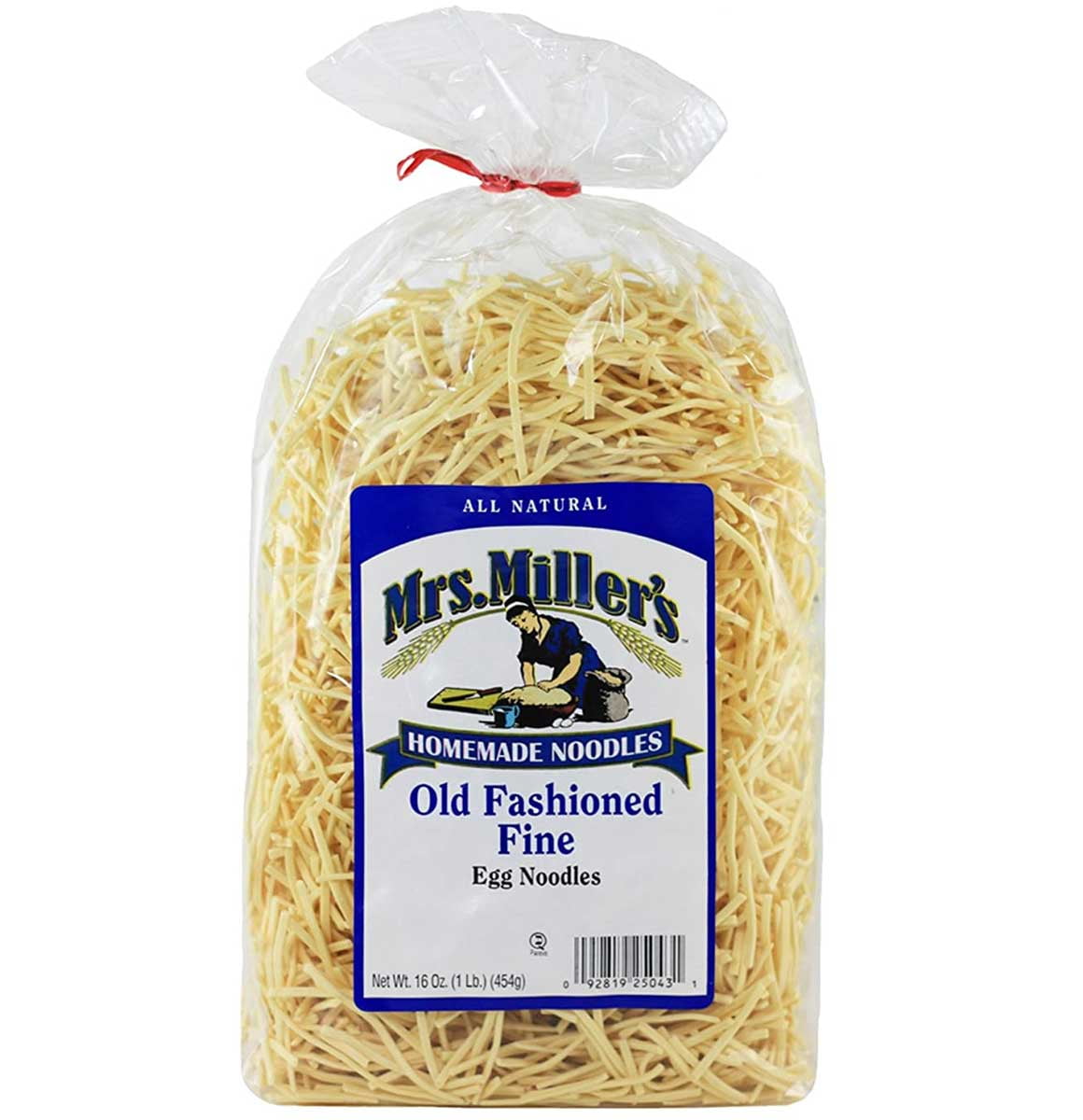
Mrs. Miller's Homemade Egg Noodles, All Natural USA Made Amish Pasta
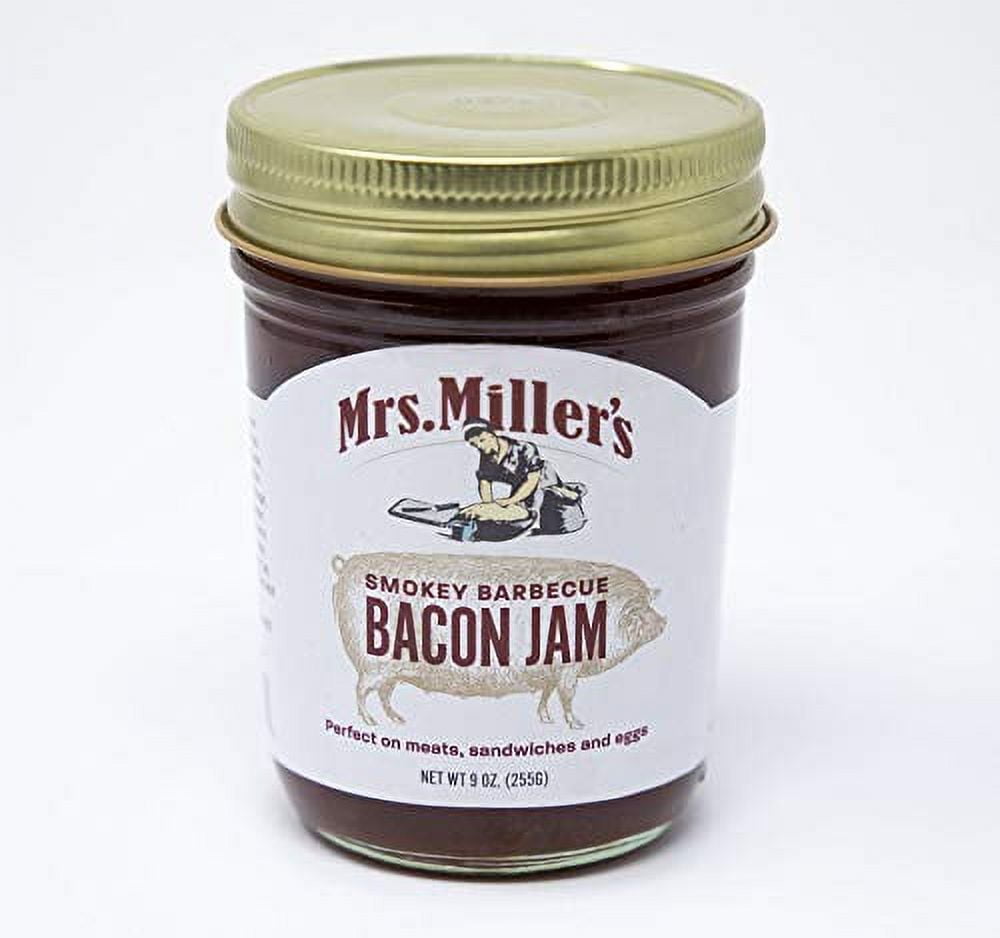
Mrs. Miller's Homemade Smokey Barbecue Bacon Jam, 2Pack 9 oz. Jars
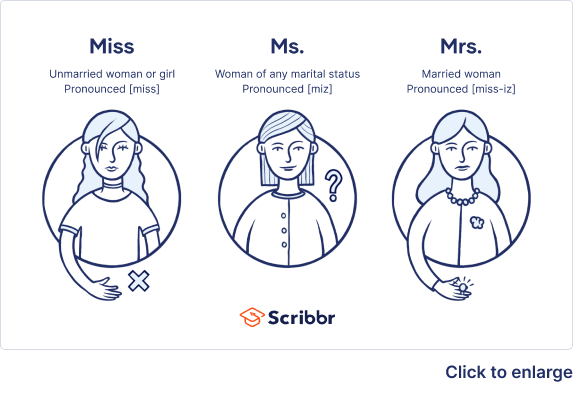
Miss vs Mrs vs Ms Difference & Pronunciation

‘Mr. and Mrs. Smith’s Ending Won’t Face the Truth
Mrs. Davis Season 1 Rotten Tomatoes
Is A Traditional Title Used For A Married Woman.
(American English) [1] Or Mrs (British English;
Are Typically Used As Titles Or Honorifics Before A Person’s Name To Show Respect.
We Use These Titles To Be Respectful When We Are Speaking About A Man Or Woman.
Related Post: