
Fill It In Printable Puzzles
Fill It In Printable Puzzles - The brunch didn't fill me (up). When to use the former and the later? Filled in means he took your place. In school, for exams we fill up forms. Unlike with fill, pour only works one way: To fill in the gaps means that you have some level knowledge of a subject, but are being asked to complete it, or more fully understand it. Wine is a liquid and. Whether he undertook all of your duties is questionable, it depends on what skill sets he has in comparison. Same as if you're still hungry, fill up [your stomach] on /. Pour is used for things that can flow; [x] the bottles are poured with wine. The brunch didn't fill me (up). In your construction, the meaning of on is approximately using. [ ] wine is poured into the bottles. How to pronounce feel, fill, or feeling correctly? Pour is used for things that can flow; Like a hole in the wall, you'd fill it in with plaster. I'll fulfill the form tomorrow. Wine is a liquid and. Whether he undertook all of your duties is questionable, it depends on what skill sets he has in comparison. The brunch didn't fill me (up). [x] the bottles are poured with wine. What is the difference between fulfill and fill? Wine is a liquid and. To fill in the gaps means that you have some level knowledge of a subject, but are being asked to complete it, or more fully understand it. In forms of the kind where you're supposed to fill in your address, it seems to be much more common to have a slot that says city only, rather than city/town or town. Pour is used for things that can flow; When to use the former and the later? And 422 instances of filled out the document compared to 108,000. When to use the former and the later? Like a hole in the wall, you'd fill it in with plaster. Wine is a liquid and. Ask question asked 7 years, 6 months ago modified 6 years, 1 month ago Unlike with fill, pour only works one way: When to use the former and the later? Whether he undertook all of your duties is questionable, it depends on what skill sets he has in comparison. I'll fill the form tomorrow. [ ] wine is poured into the bottles. How to pronounce feel, fill, or feeling correctly? That's to say, he filled up [his car fuel tank] on / using / with fuel. What is the difference between fulfill and fill? In forms of the kind where you're supposed to fill in your address, it seems to be much more common to have a slot that says city only, rather than city/town or town. But i have. Filled in means he took your place. Pour is used for things that can flow; In forms of the kind where you're supposed to fill in your address, it seems to be much more common to have a slot that says city only, rather than city/town or town. I'll fill the form tomorrow. How to pronounce feel, fill, or feeling. That's to say, he filled up [his car fuel tank] on / using / with fuel. In your construction, the meaning of on is approximately using. And 422 instances of filled out the document compared to 108,000 instances of filled out the form suggests it's not at all common. Whether he undertook all of your duties is questionable, it depends. In the following example, do they have the same meaning? Like a hole in the wall, you'd fill it in with plaster. In forms of the kind where you're supposed to fill in your address, it seems to be much more common to have a slot that says city only, rather than city/town or town. To fill in the gaps. [ ] wine is poured into the bottles. In forms of the kind where you're supposed to fill in your address, it seems to be much more common to have a slot that says city only, rather than city/town or town. Unlike with fill, pour only works one way: Pour is used for things that can flow; But i have. And 422 instances of filled out the document compared to 108,000 instances of filled out the form suggests it's not at all common. Same as if you're still hungry, fill up [your stomach] on /. In forms of the kind where you're supposed to fill in your address, it seems to be much more common to have a slot that. In your construction, the meaning of on is approximately using. Pour is used for things that can flow; In school, for exams we fill up forms. But i have seen people saying fill in the form. fill the form in or fill the form up, which is correct. That's to say, he filled up [his car fuel tank] on / using / with fuel. And 422 instances of filled out the document compared to 108,000 instances of filled out the form suggests it's not at all common. In the following example, do they have the same meaning? What is the difference between fulfill and fill? When to use the former and the later? Same as if you're still hungry, fill up [your stomach] on /. I'll fulfill the form tomorrow. [x] the bottles are poured with wine. [ ] wine is poured into the bottles. In forms of the kind where you're supposed to fill in your address, it seems to be much more common to have a slot that says city only, rather than city/town or town. The brunch didn't fill me (up). To fill in the gaps means that you have some level knowledge of a subject, but are being asked to complete it, or more fully understand it.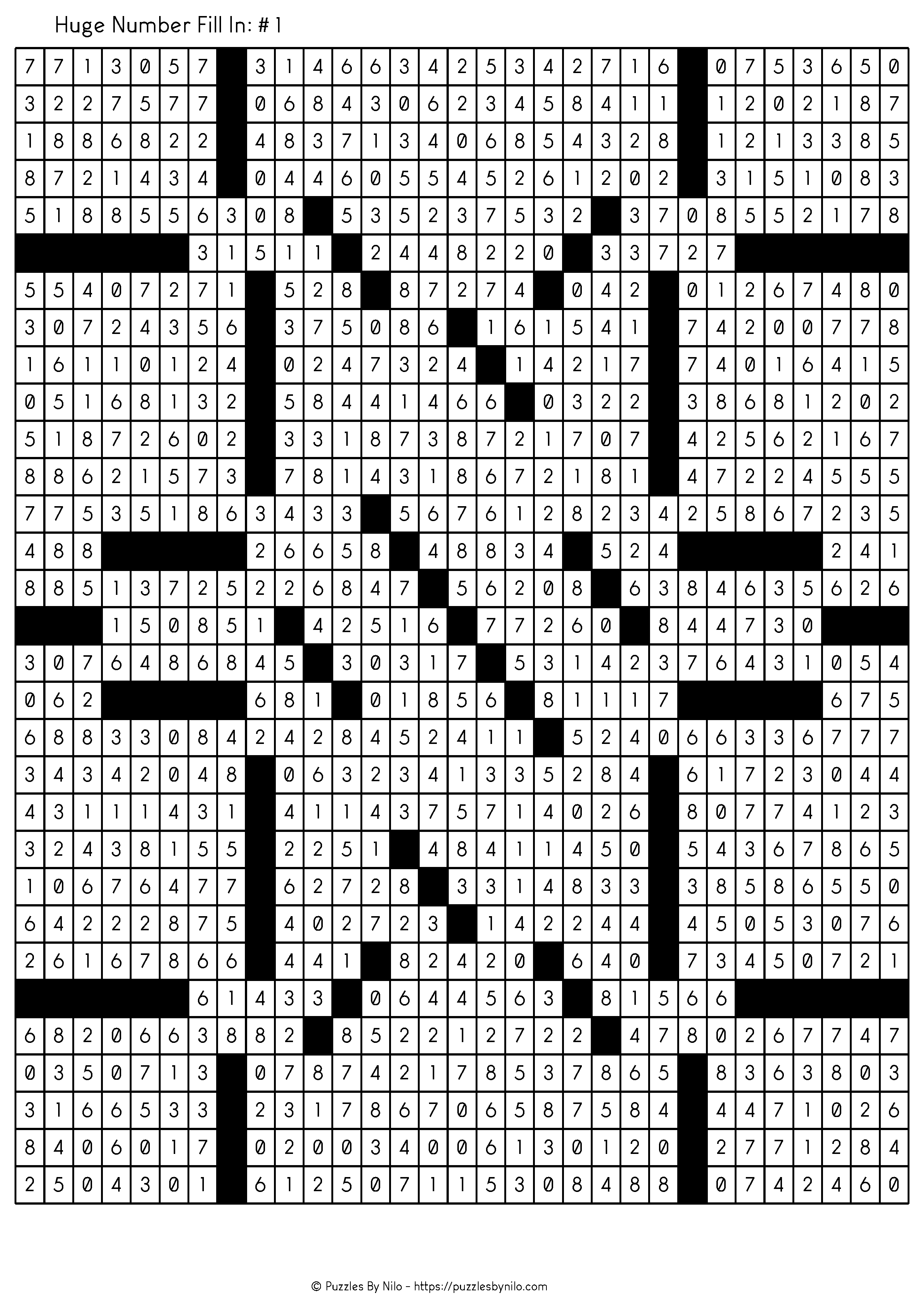
Printable Fill It In Puzzles Printable Word Searches

Fill In Word Puzzles Printable Printable Free Templates

Fill In Puzzles Free Printable
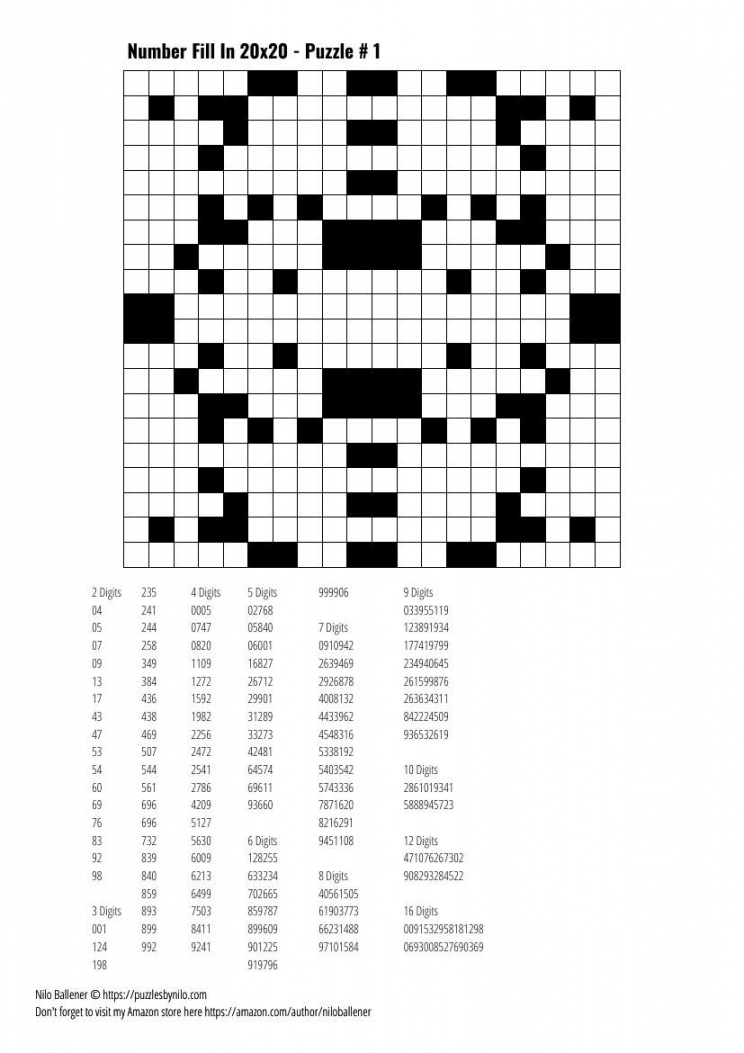
Fill In Puzzles Free Printable FREE Printable HQ
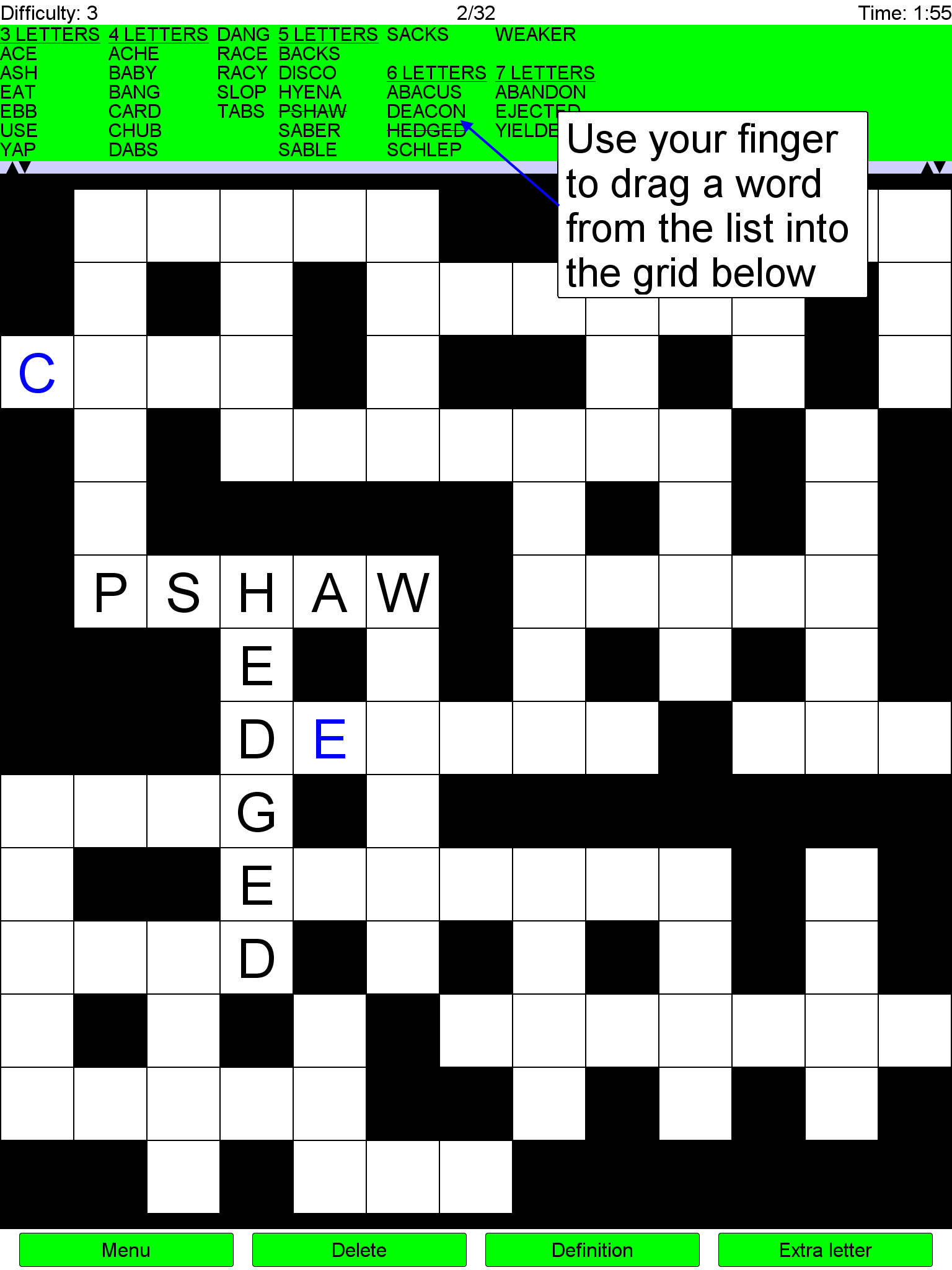
Free Printable Word Fill In Puzzles

Printable Word Fill In Puzzles
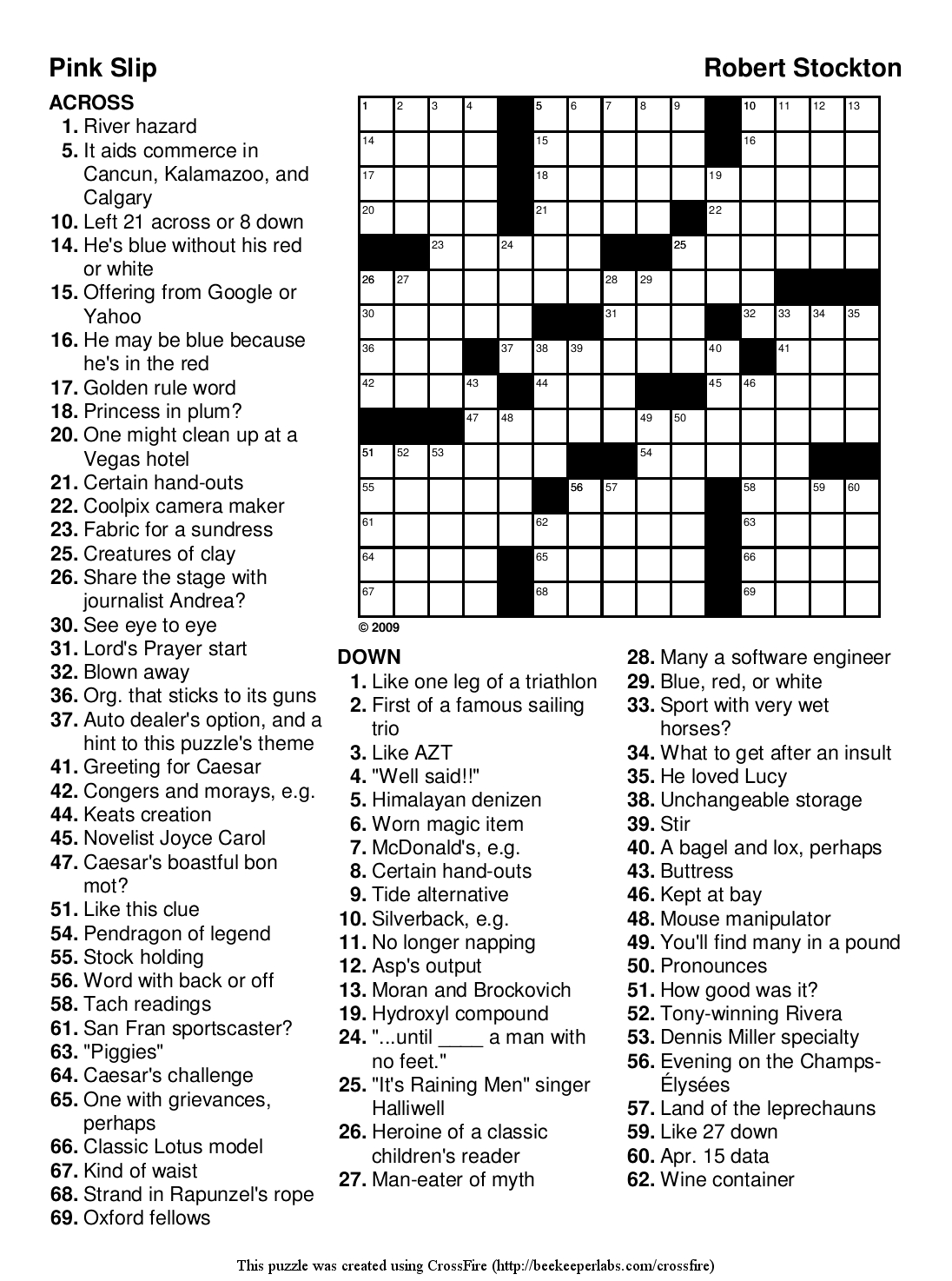
Free Printable Fill In Word Puzzles
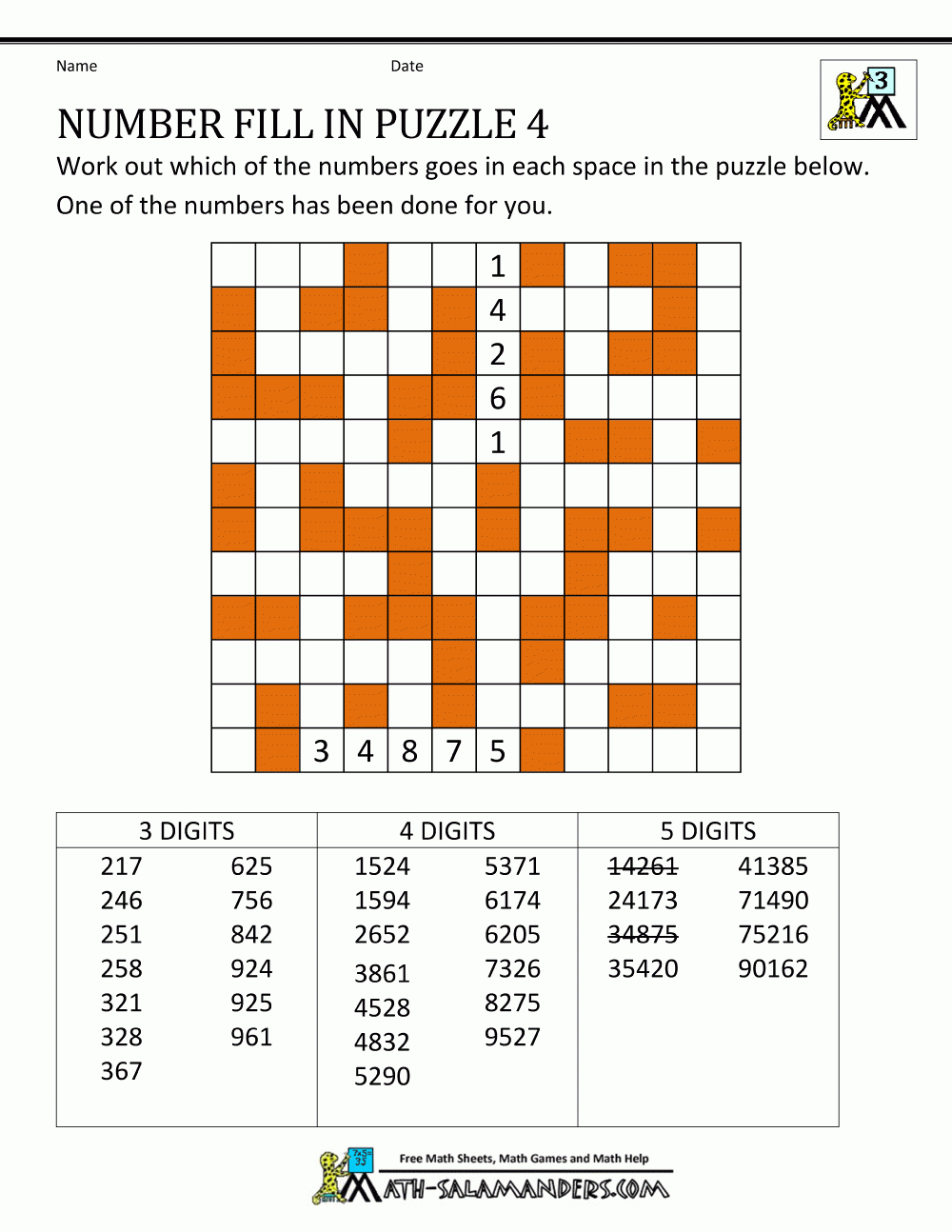
Number Fill In Puzzle Free Printable

Printable Fill In Word Puzzles Printable And Enjoyable Learning
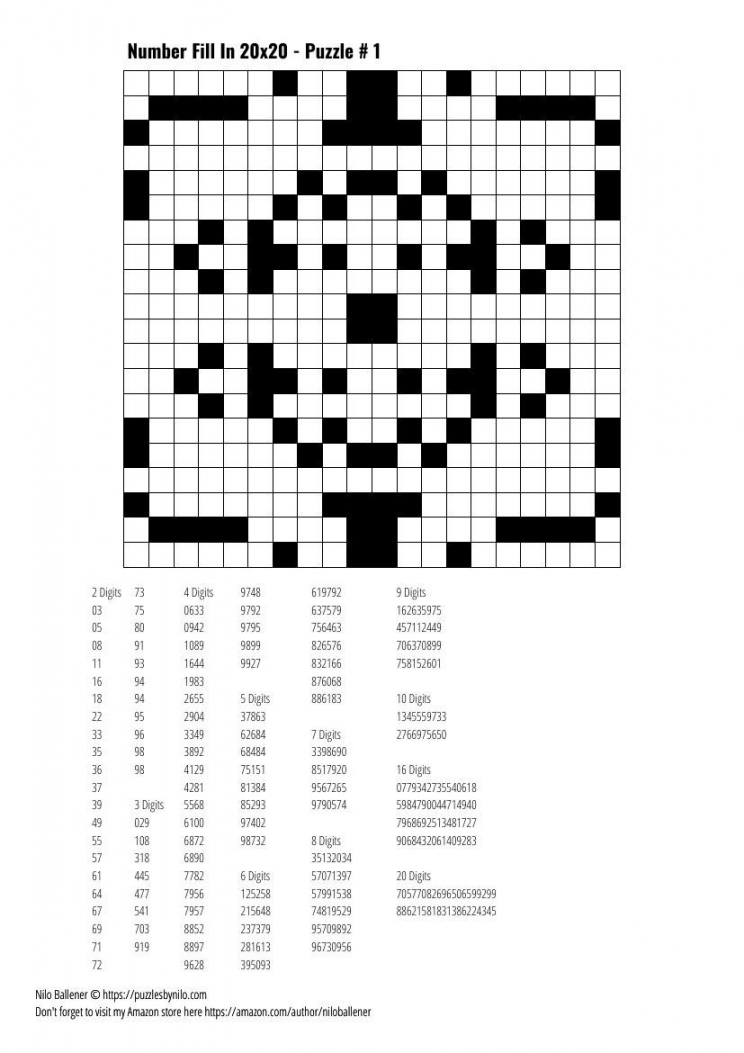
Fill In Puzzles Free Printable FREE Printable HQ
Ask Question Asked 7 Years, 6 Months Ago Modified 6 Years, 1 Month Ago
How To Pronounce Feel, Fill, Or Feeling Correctly?
Like A Hole In The Wall, You'd Fill It In With Plaster.
I'll Fill The Form Tomorrow.
Related Post: